The last time I wrote about the Apple Watch, I was stuck deciding between the regular, traditional stainless steel and the incredible, futuristic, space black stainless steel of the Apple Watch Series 4. I never posted a follow-up to that post, but I ended up buying the regular stainless steel, combined with a Milanese loop to get a discount on the latter. And when the Apple Watch Series 9 rolled around, I ordered the regular stainless steel version again, content with my decision to get maybe not the flashiest watch overall, but definitely a classy — some might even say timeless — watch in its own right. And for the three years where I owned an iPhone 14 Pro with its polished stainless steel sides, it nicely matched my stainless steel Apple Watch Series 9. Can’t do that with a space black stainless steel.
For reasons unknown, the Apple Watch I wanted both of the last times I’ve been in the market for the Apple Watch, hasn’t been available. By the time the Series 4 rolled around, Apple had put the ceramic edition of the Apple Watch on a year-long hiatus, only for it to return the very next year with the Series 5. Yeah, I have no idea why, either. Then when the Series 6 came the following year, ceramic was gone again! Madness.
Not that the ceramic Apple Watch would have been a financially viable option for me at either of those points in time anyway. In those days, the ceramic editions sold for almost twice the price of the stainless steel, which already carried a hefty premium over the aluminium models while providing the exact same functionality software-wise. Ceramic pricing was so far up and to the right, that ceramic watches even cost more than the luxe titanium and luxury Hermés models, representing the most opulent Apple Watch Edition of the time. Even if my heart wanted one, my bank balance vehemently disagreed. Yeah, no thanks.
But with the Apple Watch Series 12, the ceramic is back. And while it’s still pricey, and costs more than the titanium versions which in turn replaced the stainless steel models this generation, it doesn’t carry such an extreme price premium over its ceramic predecessors. This time around, the ceramic is less than the Hermés, even if I think at least a third of the Hermés pricing is the Hermés band you get with it. While I think the lack of stainless steel is a conscious choice now that no iPhone of the same generation uses the material, I think the price is reasonable. Best of all, the ceramic Apple Watch Series 12 is still available in the glossy white that previous ceramic Apple Watches came in. It’s finally back, better than ever, and should be the easiest day-one purchase I’ve ever made.
Or is it?
There are two issues preventing me from having pre-ordered one. First, I’m going overseas in December, so if I want to claim the GST back on my new Apple Watch Series 12, I need to wait until I’m within the 60-day tax-free window. So I have a little time to decide. To ponder, to muse. To be certain that the ceramic is what I want, not just some new shiny.
The second issue far more insidious.
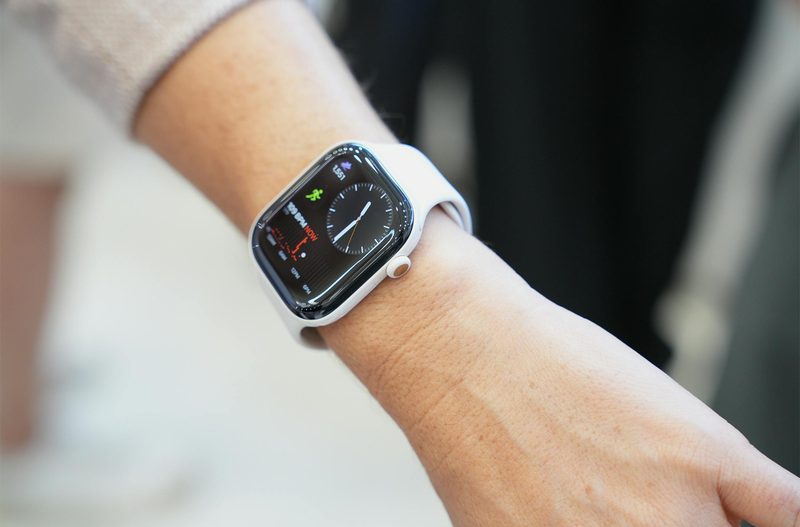
For whatever reason, the Apple Watch Series 12 has an interesting design decision compared to previous Apple Watches. To be clear, this doesn’t seem to be unique to the ceramic, just affects it disproportionally due to the price difference. While the Series 10 introduced a design change that slightly increased screen size and made the watch overall have more gently-rounded corners instead of the rounded-but-square corners of previous Apple Watches, the Series 12 now has a bigger glass front that was previously taken up by your case material of choice, i.e. aluminium, stainless steel, or titanium.
Continue Reading