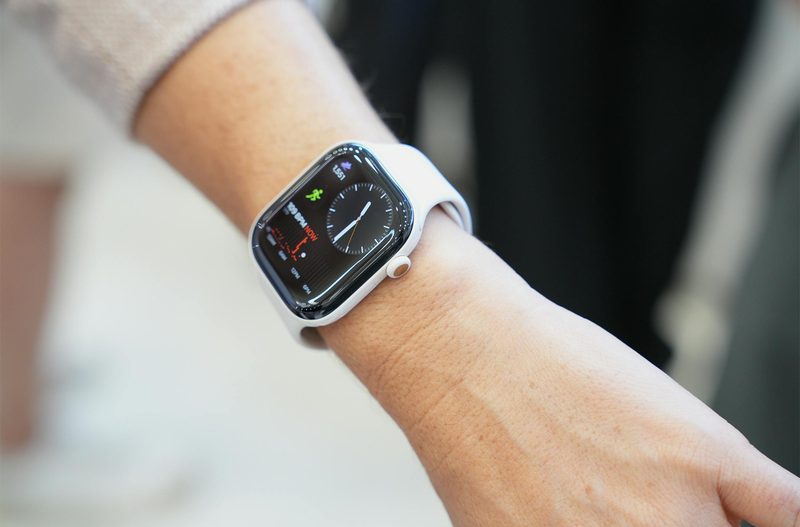
The last time I wrote about the Apple Watch, I was stuck deciding between the regular, traditional stainless steel and the incredible, futuristic, space black stainless steel of the Apple Watch Series 4. I never posted a follow-up to that post, but I ended up buying the regular stainless steel, combined with a Milanese loop to get a discount on the latter. And when the Apple Watch Series 9 rolled around, I ordered the regular stainless steel version again, content with my decision to get maybe not the flashiest watch overall, but definitely a classy — some might even say timeless — watch in its own right. And for the three years where I owned an iPhone 14 Pro with its polished stainless steel sides, it nicely matched my stainless steel Apple Watch Series 9. Can’t do that with a space black stainless steel.
For reasons unknown, the Apple Watch I wanted both of the last times I’ve been in the market for the Apple Watch, hasn’t been available. By the time the Series 4 rolled around, Apple had put the ceramic edition of the Apple Watch on a year-long hiatus, only for it to return the very next year with the Series 5. Yeah, I have no idea why, either. Then when the Series 6 came the following year, ceramic was gone again! Madness.
Not that the ceramic Apple Watch would have been a financially viable option for me at either of those points in time anyway. In those days, the ceramic editions sold for almost twice the price of the stainless steel, which already carried a hefty premium over the aluminium models while providing the exact same functionality software-wise. Ceramic pricing was so far up and to the right, that ceramic watches even cost more than the luxe titanium and luxury Hermés models, representing the most opulent Apple Watch Edition of the time. Even if my heart wanted one, my bank balance vehemently disagreed. Yeah, no thanks.
But with the Apple Watch Series 12, the ceramic is back. And while it’s still pricey, and costs more than the titanium versions which in turn replaced the stainless steel models this generation, it doesn’t carry such an extreme price premium over its ceramic predecessors. This time around, the ceramic is less than the Hermés, even if I think at least a third of the Hermés pricing is the Hermés band you get with it. While I think the lack of stainless steel is a conscious choice now that no iPhone of the same generation uses the material, I think the price is reasonable. Best of all, the ceramic Apple Watch Series 12 is still available in the glossy white that previous ceramic Apple Watches came in. It’s finally back, better than ever, and should be the easiest day-one purchase I’ve ever made.
Or is it?
There are two issues preventing me from having pre-ordered one. First, I’m going overseas in December, so if I want to claim the GST back on my new Apple Watch Series 12, I need to wait until I’m within the 60-day tax-free window. So I have a little time to decide. To ponder, to muse. To be certain that the ceramic is what I want, not just some new shiny.
The second issue far more insidious.
For whatever reason, the Apple Watch Series 12 has an interesting design decision compared to previous Apple Watches. To be clear, this doesn’t seem to be unique to the ceramic, just affects it disproportionally due to the price difference. While the Series 10 introduced a design change that slightly increased screen size and made the watch overall have more gently-rounded corners instead of the rounded-but-square corners of previous Apple Watches, the Series 12 now has a bigger glass front that was previously taken up by your case material of choice, i.e. aluminium, stainless steel, or titanium.
You can see the difference here, Series 11 on the right, Series 12 on the left. Notice how the glass on the Series 12 gets a bit closer towards the Digital Crown than the Series 11 did? And how there’s less material between the side button and the glass?
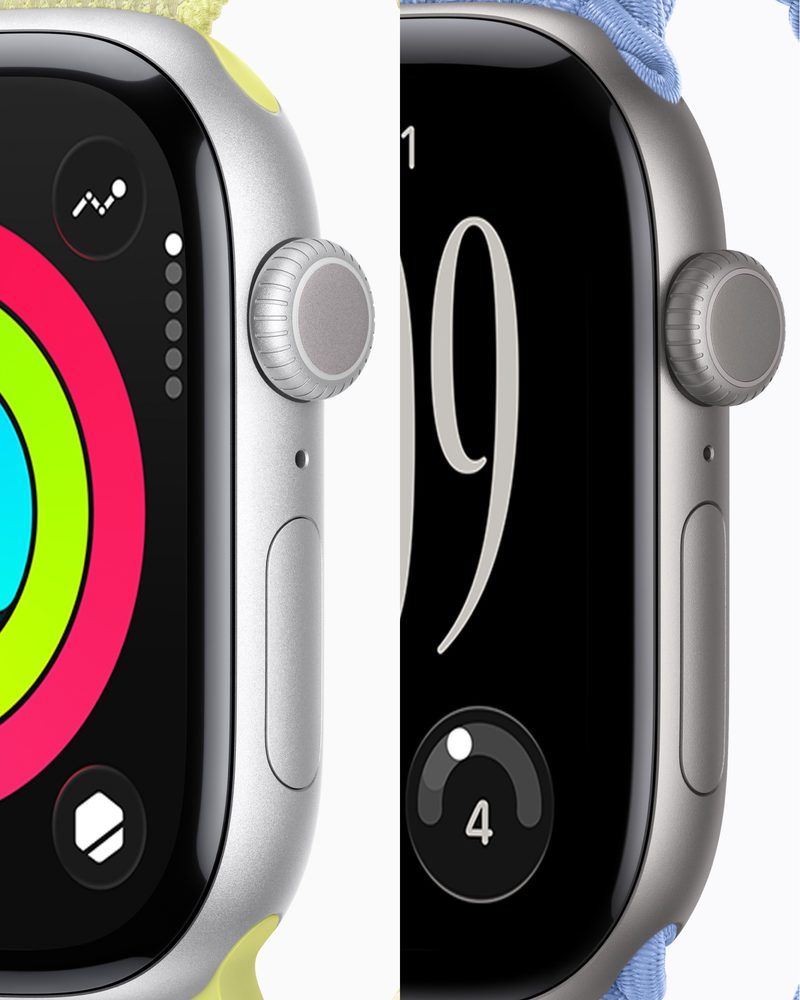
So even though the Series 12 glass is now bigger, the screen size is the same. Which, in turn, makes the black border between the screen and the “edge” of the glass more noticeable. It’s a subtle change, but still noticeable.
It’s an interesting change, because either you’re cynical and think it’s because Apple are preparing for the Series 13 (or, admittedly, the 14 or even a future series) which will also have a bigger screen as a selling point, in which case why wouldn’t they make both changes in the same year, or you reason that it’s because the new case designs will be sticking around for a couple of generations and it’s one of those economies of scale things that means they’re going to be reusing the same cases for a few generations, but wanted the specific more-glass change in now, instead of waiting to change both with the next generation. I don’t know, and Apple hasn’t released the dimensional drawings yet for the Series 12 for us to confirm either way.
I’m not sure which side of the fence I sit on. It’s probably a little of column A, a little of column B. But as someone who has missed the ceramic Apple Watch ever since it was discontinued in 2020, this is one of the reasons I haven’t preordered yet, and it comes down to this one question: what if they do make the screen bigger next year? If I hold onto my Series 9 in anticipation of that, and if Apple does release some kind of twentieth anniversary iPhone that’s as much of a leaps-and-bounds improvement that the iPhone X was to the rest of the iPhone lineup at the time, do I really want to be buying a new watch and a new phone in the same year? Is that too many ifs to make good decisions with?
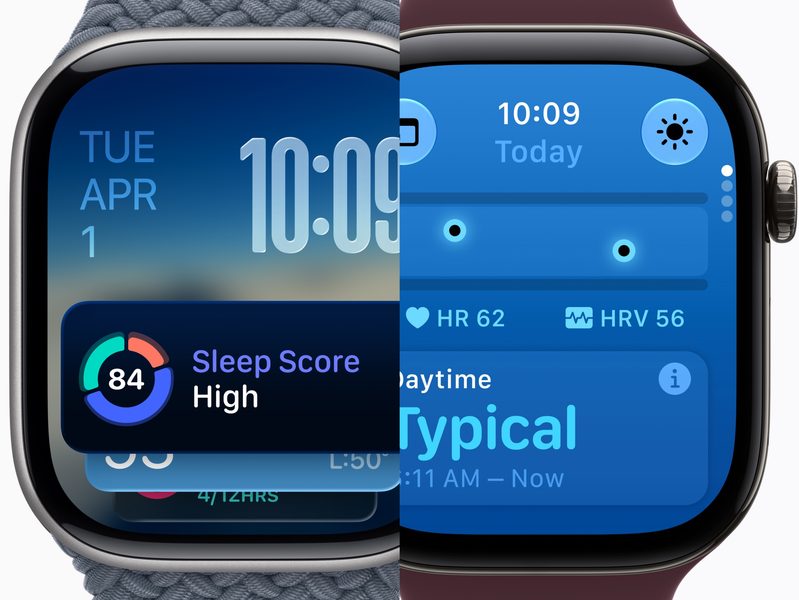
As someone who uses the Modular watch face most of the time, chances are I probably wouldn’t even notice the larger bezels most of the time. But the thin bezels look great on my Series 9 when using a full-colour face like Palette or Typograph. After years of Apple touting thinner bezels across every Apple device including iPhones and Apple Watches, it seems like such a strange move to be going backwards. Yeah, we’re talking about maybe two millimetres here. But if you can see it in the press shots, chances are you’ll notice it on your wrist, too. On paper, the screen is bigger on the Series 12 compared to the Series 9, but this wasn’t a change introduced with the Series 12, that change was already present in the Series 10 and has been carried forward. If Apple’s usual cadence of increasing screen sizes holds, then a screen size increase every three or four generations is not only the norm, but expected, putting the Series 13 right in the crosshairs of an increase in screen size. Do I really want to take that risk? And buy a ceramic Apple Watch Series 12, when the writing is on the wall and all signs point to a screen size increase in the very next model?
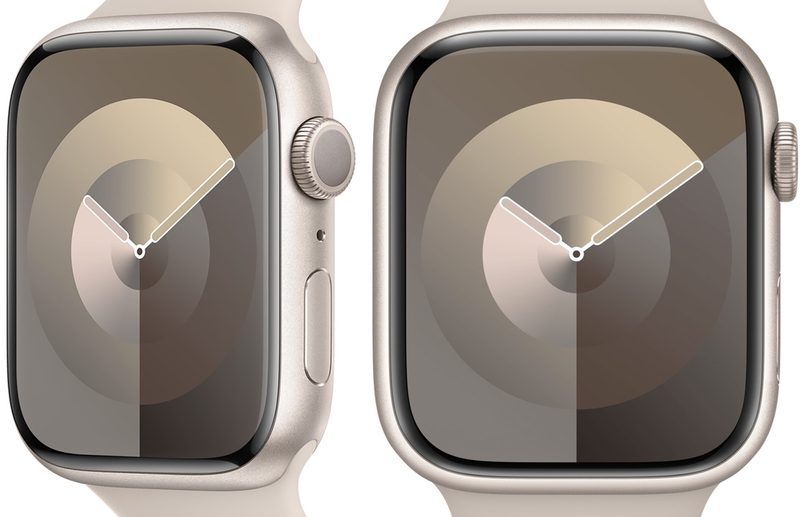
Don’t take my word for it though, Apple’s own Apple Watch comparisons page clearly has the numbers:
The Series 0-3 had a screen size of 740mm2.
The Series 4-6 had a screen size of 977mm2.
The Series 7-9 had a screen size of 1143mm2.
The Series 10-12 have a screen size of 1196mm2.
Technically the Series 0 had the same screen size, but it’s not listed as an option on the Apple Watch comparison page. It’s a bit of an outlier, anyway, given it was the very first Apple Watch to be released.
If the pattern holds, and Apple increases the screen size of the Apple Watch every three generations, however minor of an increase that is, then there’s a good chance the Series 13 will have a larger screen size. You’d expect the the last model before a redesign to be the best one of that series, like the Series 9 was of its generation, but in the case of the Series 12, it’s worse than previous generations on this specific aspect. Do I really want to buy a worse Apple Watch? Just because it comes in ceramic, a material that hasn’t been available since 2020?
That’s a hard maybe.
The reason I care about any of this is because I don’t upgrade my watch every year, nor do I want to. The reason I’ve been waiting for the ceramic Apple Watch to return is because it’s the most durable material, even more than the aluminium and stainless steel versions. My stainless steel watches have all gotten micro-scratches over the years through various unintentional knocks. Not unusual for something I’m wearing every day for three or four years. These micro-scratches doesn’t necessarily make them look bad, but certainly makes them look used and not-new. Which is a shame, because the reason I get the stainless steel instead of the cheaper and lighter aluminium is because it’s shiny. The ceramic Apple Watch is also shiny, which, when combined with the durability of ceramic, means it’ll be scratch-free for as long as I have it, making any ceramic Apple Watch I get more of an investment rather than purely upgrading to a different model.
And the craziest thing is, I don’t even think the bigger bezels look bad. Noticeable, yes, and a step backwards, yes, but I don’t think they’re bad. They’re certainly not as bad as the bezels on the original Apple Watches, but from an ideological standpoint, why would I buy a worse product in one hyper-specific aspect if there’s a better one, just around the corner? Why would I accept any compromise, however minor, in a brand-new product that’s three generations newer than my current Apple Watch? Because it has a material that hadn’t been seen in six years? Ehhh, I dunno about that one.
Yes, Apple will undoubtedly upgrade the Apple Watch year on year. And yes, the ceramic Apple Watch Series 12, with its truly new SoC and upgraded 4GB RAM (on a watch, four times more than our first family PC had), will likely last me a long time, even if I miss out on having the best possible version of it by a year. But I think I will be kicking myself if Apple comes out with a bigger screen and thinner bezel version, just a year after I pick one up. On the other hand, if I do buy a Series 12 ceramic because I’ve been waiting for so long, and Apple don’t put in a bigger screen until the 14 or later, will I feel justified upgrading? Maybe, but I’ll still be a little upset.
Only time will tell.